What the Cannabis Industry Can Learn from the Music Business
Before cannabis, I spent over a decade in the music industry at major labels. I didn’t plan for those two worlds to intersect. But the longer I work in cannabis, the more I realize how much this industry needs what music learned the hard way.
The major labels often operated like cannabis companies do today. Deep faith in the product. Big launch energy. But without significant radio airplay, what you had was magical thinking that if the record was good, people would find it. Mostly they didn’t. Then came Napster, Grokster, BitTorrent, Limewire, Kazaa, and MP3. The labels that survived the digital disruption weren’t the ones with the best artists — they were the ones that figured out digital distribution, touring and social media for direct consumer engagement.
Cannabis is in its own version of that moment right now.
The regulated market is crowded. Consumers are more and more sophisticated. The illicit market is still undercutting on price. And most brands are still operating on launch energy rather than sustained strategy.
What worked in music — and what works in cannabis — is the same thing: a relentless focus on the point of sale. In music, that meant getting the music in front of the right person/people who make Spotify playlists, running events, and building loyalty one fan at a time. In cannabis, it means getting your product in front of the right buyer, training the budtender, running demos, and building loyalty one customer at a time. Doing this doesn’t mean having a giant party in your parking lot (though that’s fun too), it means thinking hyperlocal. Execute marketing activations with businesses that align with your store or cannabis. One of the best calls I ever made was in Portland with Yoga studios. Women wanted to inhale before they exhaled. It became increasingly popular, so we expanded our program and pulled it together in a way that could be replicated consistently. We worked with skaters, independent herb shops, and integrative health practices.
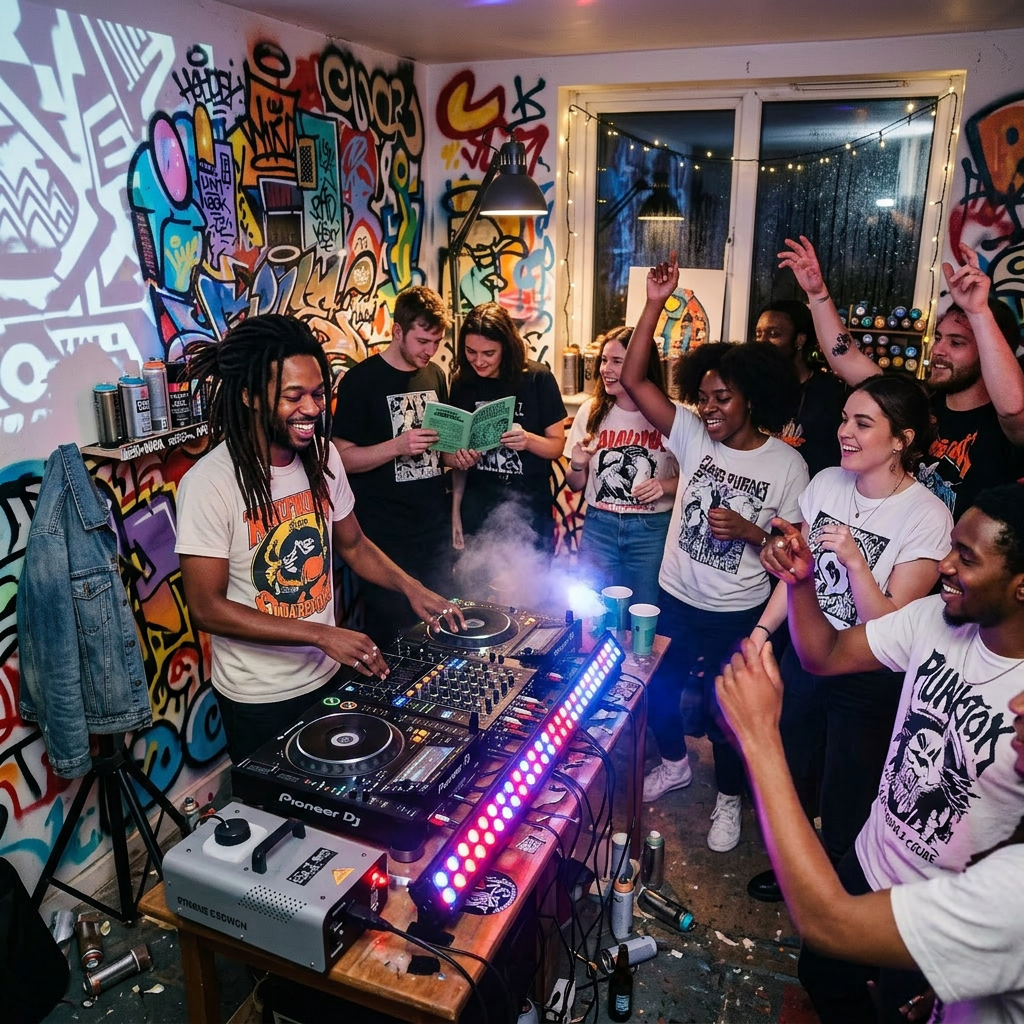
There’s a long list of cross-promotion types we executed in markets from Colorado to California. That’s exactly what we did in music. My job included working with teams of Artist Development Reps. They executed small promotions at indie record stores, brought rappers to clothing stores, and made local fanzines. I’d suggest thinking beyond demos and creating memorable activations. In Colorado, we did an event called “The Art of 420”. It was held at a large venue and included DJs, live t-shirt silkscreening stations, artists painting, and graffiti artists working on walls. It was an event people talked about for years. I think brands and dispensaries need to be more creative; it’s the differentiator that will separate the winners from the also-rans.
The mechanics are identical. The category is different. The discipline required is exactly the same.
The cannabis brands that will be standing in ten years are the ones building infrastructure now — not just buzz.
 VonTrees Consulting